


Within HFGP, we collect multiple layers of data using different tools and techniques.
HFGP brings together many layers of data to build a clearer, more complete understanding of human biology. By combining genetic information with insights from the microbiome, biological markers, and clinical data, we can see a more complete picture of health and disease. This integrated approach helps reveal important connections that might be missed when looking at only one type of data.

Metadata
Questionnaires are completed by all participants, including information about health status, diet, and lifestyle.

Omics
HFGP uses sophisticated, cutting-edge techniques to generate and analyze omics data. Our work spans genomics, transcriptomics, proteomics, metabolomics, and microbiome research.
Immunophenotyping
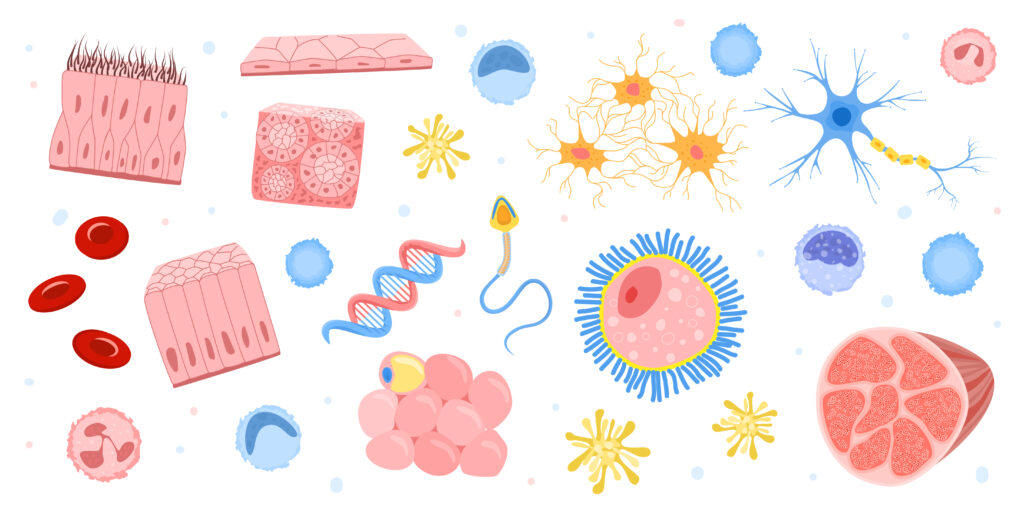
The distribution of immune cell populations in blood is measured using extensive flow cytometry panels, allowing detailed characterization of immune profiles. These data are used to identify differences in immune cell frequencies, assess activation and functional states through specific markers, and explore how immune system variability relates to health, lifestyle, and disease risk.

Functional Immunological Data
Several sets of immunological data are available in the HFGP.